
GP OS, The Growth Operating System
Most growing businesses aren’t short on ideas. They’re short on connection.
Strategy lives in one place. Operations lives in another. Execution depends on whoever happens to be paying attention that week. Every department can defend its own decisions, and the business still gets harder to run.
GP OS is how we solve that. It’s the operating model behind every Growth Professionals engagement, and it gives us one consistent way to understand a business no matter the industry or the stage.
Get Found, Organically
We will show you how to improve your online visibility, be seen, increase brand awareness, and grow your brand. All without paid advertising.
Your information is 100% confidential.
What GP OS Is
GP OS is a framework, not software.
There’s no login, no dashboard, and nothing to install. It’s the structured way we assess a business, decide what to fix first, and build systems that hold up as the company grows. It’s how we know what to look at, in what order, and what to do about what we find.
We’re specific about this because “proprietary framework” usually means a slide deck with your logo on it. GP OS is the actual method, and it’s the same one on every engagement, from a first Growth Blueprint through a two-year fractional relationship.
Why We Built It
We spent twenty years inside businesses at the same stage and kept finding the same thing.
The marketing team was competent. The sales team was competent. Operations was doing its job. And the business was still losing ground.
The failure was almost never inside a department. It was in the space between them. Marketing generated leads that sales didn’t consider leads. Sales closed work that operations wasn’t built to deliver. Operations solved problems that leadership never heard about until they turned up in the numbers.
Every team was optimizing for its own scoreboard. Nobody owned the handoffs.
Most consulting engagements never find this, because most consulting engagements are scoped to one department. A marketing consultant audits marketing and recommends marketing fixes. That works when marketing is genuinely the problem. It fails, expensively, when marketing is just where the problem became visible.
GP OS was built to look at the whole picture, including the seams.
The Four Systems

Leadership
Leadership sets priorities and direction. We look at how decisions actually get made, how priorities are communicated, whether the leadership team has real visibility into performance, and whether the founder is still the bottleneck for decisions that shouldn’t reach them.

Marketing
Marketing creates qualified demand. We look at positioning, messaging, customer acquisition, channel performance, and whether marketing activity is connected to revenue goals or running on its own momentum.

Sales
Sales converts demand into revenue. We look at the sales process, the customer journey, conversion at each stage, pipeline visibility, and whether the process is repeatable or dependent on specific people.

Operations
Operations delivers the work and reports back. We look at workflows, ownership and accountability, capacity, delivery consistency, and whether the business can produce the same result twice without heroics.
The Four Handoffs
This is the part most frameworks skip, and it’s usually where the answer is.
You can audit all four systems, find each one basically functional, and still be looking at a business that’s slowly failing. The failures live in the transitions.

Leadership to Marketing.
Are the company’s priorities actually reaching the people executing, or is marketing working from an interpretation of what leadership wants? This gap shows up as marketing activity that looks productive and doesn’t move anything that matters to the leadership team.

Marketing to Sales.
Does marketing’s definition of a qualified lead match the sales team’s definition? When it doesn’t, both teams are certain the other one is the problem, and both are partly right. This is one of the most common and most expensive gaps we find.
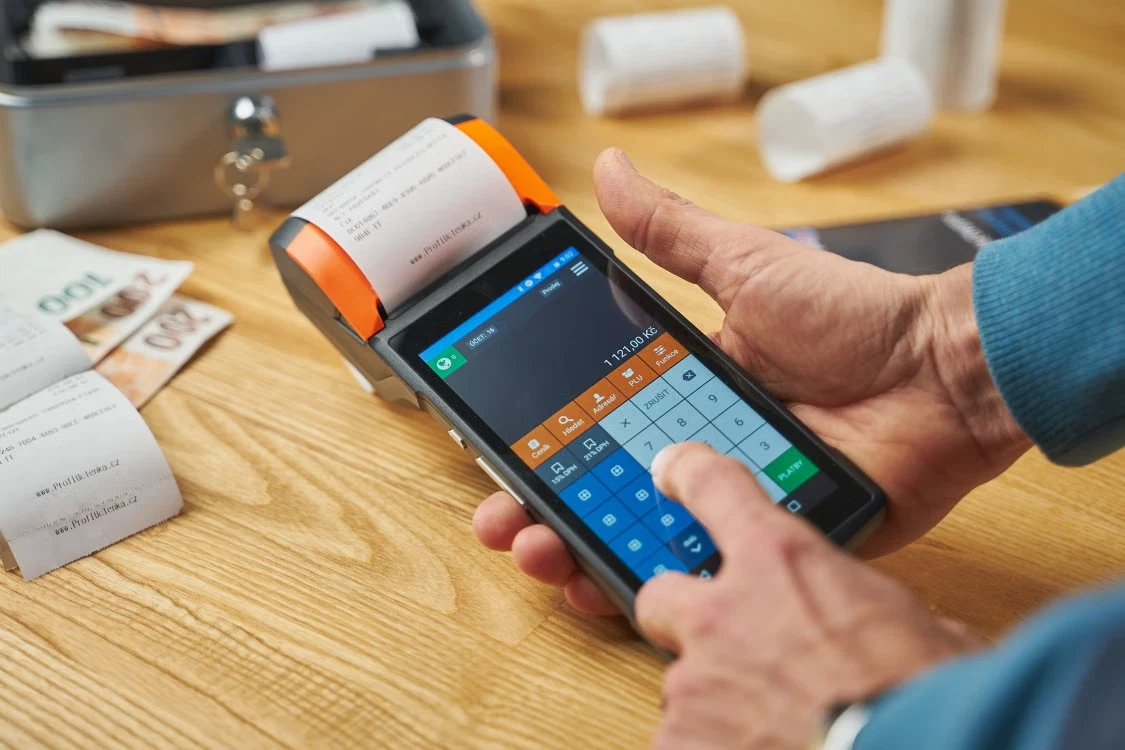
Sales to Operations.
Does what sales sells match what delivery is built to deliver? This is where margin quietly disappears, where delivery teams burn out, and where clients churn for reasons nobody can explain because the reason was set before the work started.
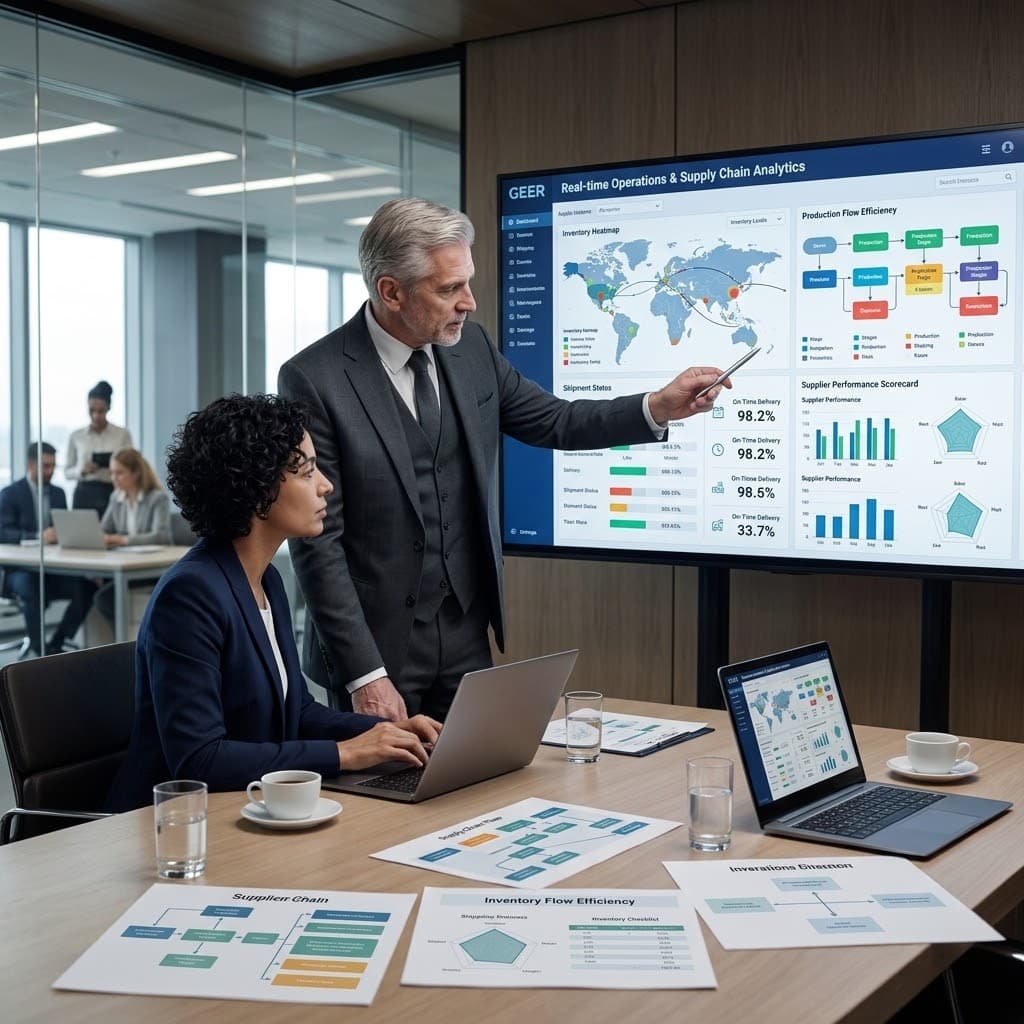
Operations to Leadership.
Does leadership have real visibility into how the business is running, or do problems surface only after they’ve cost money? Without this feedback loop, leadership is setting priorities from a picture that’s already out of date.
Fixing a handoff is usually cheaper and faster than rebuilding a department. It’s also the change that tends to unlock the others.
The Four Phases
Every engagement moves through the same sequence.
Step

Understand
How the business actually operates today, including the parts nobody wrote down. We work with your leadership team to map how customers move through the business, how decisions get made, and where the day-to-day starts to break.
Step

Diagnose
Where the systems and the handoffs are failing, and which failures are doing the most damage. Not every problem is worth solving right now. This phase separates the ones that are.
Step

Systemize
Turning what should be repeatable into something your team can run without you in the room. This is where recommendations become processes, ownership, and documentation.
Step

Scale
Putting the plan in motion and adjusting as the business grows. Systems that only work at your current size have to be rebuilt at the next stage, so we build about one stage ahead.
Calibration
GP OS is structured. It is not rigid, and that distinction matters more than it sounds.
Before any engagement begins, we calibrate how deeply to work in each of the four systems based on your stage, your industry, and where you’re starting from.
A twelve-person company usually needs weight on marketing and sales, with operations kept deliberately light so it doesn’t become overhead before the company can carry it. Building enterprise process into a twelve-person team is a common and expensive mistake.
A business coming out of an acquisition usually needs the opposite. Heavy operations and leadership work first, because nothing on the demand side will hold until the organization underneath it is settled.
An agency or service business with delivery problems usually needs the Sales to Operations handoff addressed before anything else, because more demand into a broken delivery model makes things worse rather than better.
Same framework, different weighting. Getting that calibration right is the first thing we do, and it’s the reason no two engagements look the same even though the model behind them is identical.
Built From Real Work, Not Theory
GP OS didn’t come out of a whiteboard session. It came out of two decades of doing this inside real businesses with real consequences.
It was shaped by a post-merger integration that combined three EdTech companies into one, where the work was rebuilding marketing processes across three organizations, merging teams into a single structure, and building a go-to-market strategy for a company that didn’t exist six months earlier.
It was shaped by building marketing and digital agencies from the ground up, including one that grew from roughly $100,000 in monthly revenue to approximately $600,000 over eighteen months.
And it was shaped by restructuring an agency where departmental revenue grew from around $70,000 a month to nearly $200,000 within a year while employee attrition dropped by more than half. Growth and retention improving at the same time is the harder version of that problem, and solving it required looking at the handoffs rather than the departments.
Every part of the framework exists because a real business needed it.
How GP OS Shows Up in Each Engagement
GP OS isn’t a separate product you buy. It’s the method behind everything we do.

Growth Blueprint.
The Blueprint is the full GP OS assessment. We work through all four systems and all four handoffs, then deliver a prioritized roadmap showing what’s limiting growth and what should happen first.

Fractional CMO.
Marketing leadership runs through the Marketing system and the two handoffs on either side of it, connecting leadership priorities to marketing execution and marketing output to what sales can actually convert.

Fractional COO.
Operational leadership runs through the Operations system and its handoffs, building process, ownership, and the reporting that gives leadership real visibility.

Startup Consulting.
Early-stage work is heavily calibrated toward Marketing and Sales, with just enough operational structure to support the next hire rather than the next hundred.

Business Growth Consulting.
Whole-business engagements where the constraint crosses more than one system and the diagnosis matters as much as the fix.
The framework stays the same. What changes is which parts of it your business needs most.

Who GP OS Is For
GP OS is built for companies that have moved past the early stage and are working out how to scale what they’ve proven.
If your business is growing and getting harder to manage at the same time, that’s the specific problem GP OS was built for.
Where to Start
Growth without systems is organized chaos. It works until it doesn’t, and the point where it stops working is usually expensive.
The Growth Blueprint is the full GP OS assessment and the way most engagements begin. You get a complete picture of how your business operates, a clear diagnosis of what’s limiting growth, and a prioritized roadmap your leadership team can act on.